Ulrich Hughes · 12 October 2026
Mapping Real-Time User Engagement Patterns Across Dynamic Digital Ecosystems
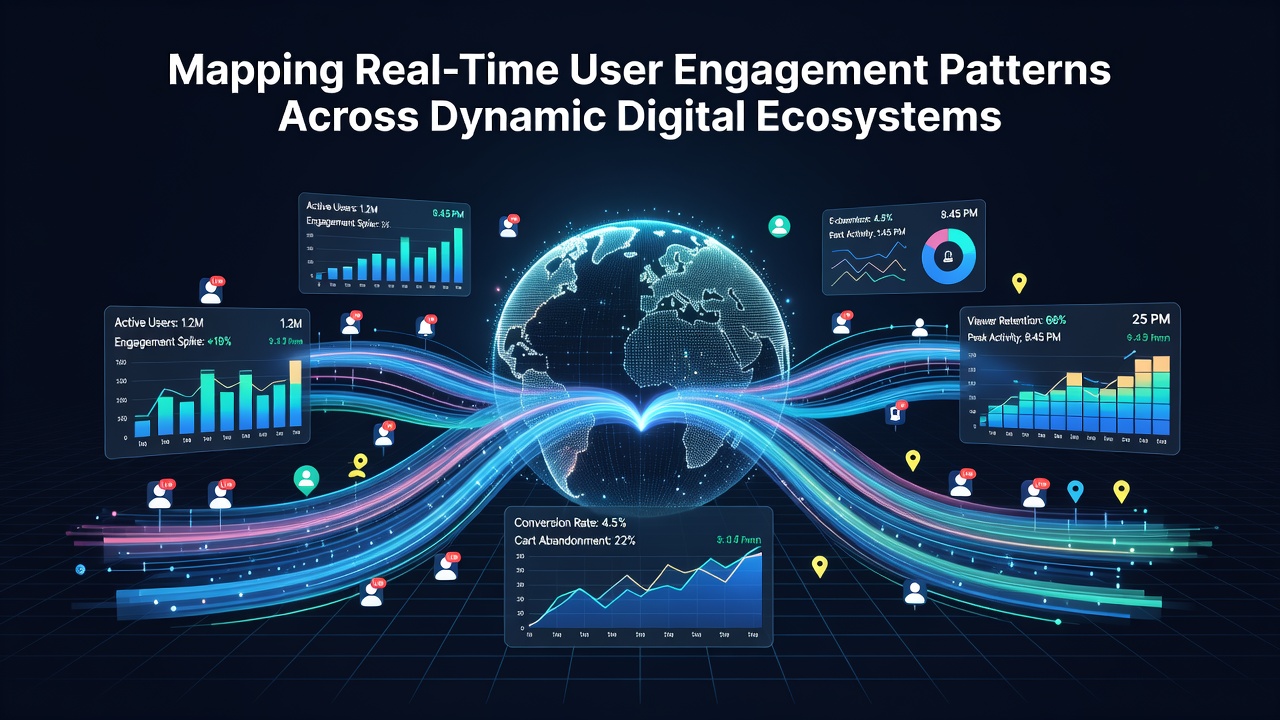
Digital ecosystems encompass interconnected platforms including social networks, e-commerce sites, mobile applications, and streaming services where user interactions generate continuous data streams, and researchers track these patterns through specialized analytics frameworks that process information at scale. Data from multiple touchpoints such as clicks, scrolls, dwell times, and session durations flow into centralized systems that apply machine learning models to identify shifts in behavior as environments change dynamically throughout the day.
Core Components of Real-Time Tracking Systems
Analysts rely on event-streaming technologies like Apache Kafka combined with processing engines such as Apache Flink to handle high-velocity inputs while maintaining low latency, and these setups allow organizations to update engagement maps within seconds of user actions occurring across devices. Metrics include bounce rates, conversion funnels, and content affinity scores that update continuously rather than in batch reports, giving observers immediate visibility into how audiences respond to interface adjustments or content updates.
Integration Across Heterogeneous Platforms
Platforms operate under varying technical standards and data formats, yet mapping tools normalize inputs through APIs and standardized schemas so that patterns emerge clearly even when users switch between mobile apps and desktop browsers within the same session. Studies from institutions like the University of California have shown that cross-device tracking improves accuracy when identifiers remain consistent while respecting privacy controls, and this approach reveals how engagement spikes often correlate with specific times of day or device types across large user bases.
Data Sources and Analytical Methods
Raw logs from web servers, mobile SDKs, and third-party integrations supply the foundation while supplementary signals from sensors in wearables or IoT devices add context such as location or activity level, and algorithms segment these inputs into clusters that highlight recurring sequences like repeated visits followed by purchases. Techniques range from simple moving averages to advanced neural networks that predict future actions based on historical sequences, and organizations apply these methods at volumes exceeding millions of events per minute during peak periods.
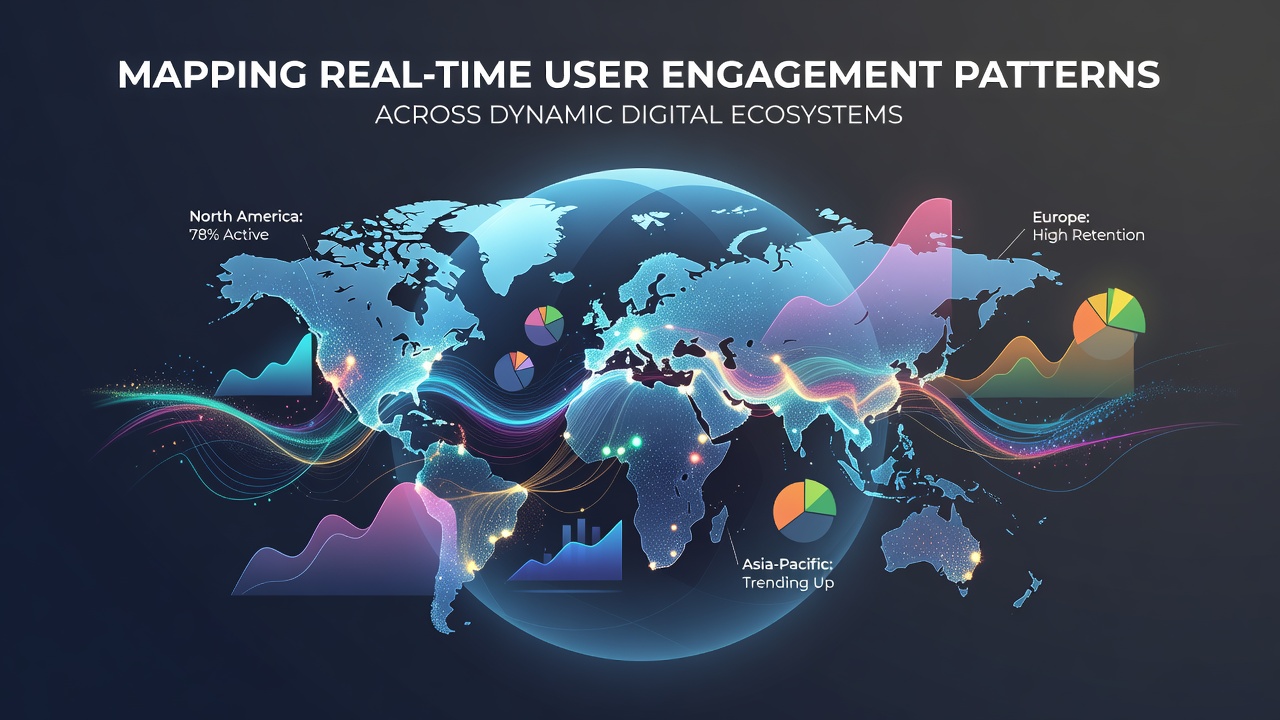
What's interesting is how these systems adapt when external factors like network congestion or seasonal events alter typical usage rhythms, because models retrain on fresh data to maintain relevance without manual intervention. In October 2026, updates to data protection regulations in the European Union prompted several platforms to refine their real-time pipelines so that consent signals propagate instantly across all connected services, reducing the risk of processing restricted information.
Applications in Commercial and Research Settings
Retailers use engagement maps to adjust inventory displays or promotional timing while content creators monitor which formats retain attention longest across different audience segments, and government statistical agencies in Canada have published reports on digital participation that draw from similar aggregated pattern analysis to inform policy on broadband access. Academic teams at institutions such as the Australian National University have examined how engagement clusters shift during major public events, revealing that simultaneous spikes across multiple platforms often precede broader trend adoption by hours or days.
One study revealed that combining location data with interaction logs improved prediction of drop-off points in mobile games, allowing developers to refine level design before widespread release, and similar methods now extend to educational platforms where instructors receive alerts when student participation patterns deviate from established norms. Observers note that these capabilities depend on robust infrastructure capable of handling both structured and unstructured data without introducing delays that would render insights obsolete.
Privacy Considerations and Technical Constraints
Regulations such as those enforced by the California Consumer Privacy Act require explicit handling of personal identifiers during real-time collection, so many mapping solutions incorporate on-device processing or anonymization layers that strip sensitive details before transmission to central servers. This approach maintains utility for pattern detection while limiting exposure, and researchers continue to explore federated learning methods that keep raw data localized yet still contribute to global models.
Scalability remains a persistent factor because ecosystems grow through new platform integrations and user bases expand, forcing teams to balance computational costs against the need for sub-second response times. Data shows that organizations investing in edge computing nodes often achieve better distribution of processing loads, which reduces central bottlenecks during traffic surges.
Conclusion
Mapping real-time user engagement patterns across dynamic digital ecosystems relies on layered technologies that collect, normalize, and interpret continuous data flows from diverse sources while adapting to regulatory and technical changes. Evidence from multiple regions demonstrates consistent progress in accuracy and speed, and ongoing refinements in October 2026 and beyond will likely focus on tighter integration of privacy safeguards with analytical power. Those who study these systems recognize that the ability to visualize engagement as it evolves provides a foundation for informed decisions across commercial, educational, and public sectors alike.