Katja Krüger · 28 September 2026
Navigating Algorithmic Shifts in Niche Market Data Streams Through Specialized Tracking Frameworks
Algorithmic updates continue to reshape how data flows through niche market sectors, and organizations rely on specialized tracking frameworks to maintain accuracy in real time, according to reports from the National Institute of Standards and Technology. These shifts often involve adjustments to ranking signals, content evaluation models, and data aggregation rules that affect everything from inventory forecasting in specialized retail to audience segmentation in emerging industries. Researchers at multiple institutions note that companies which deploy custom monitoring layers experience fewer disruptions when core algorithms receive patches or complete overhauls.
Understanding the Nature of Algorithmic Changes
Algorithms governing niche data streams rarely remain static for long periods, and updates frequently target improvements in relevance scoring or anomaly detection that can alter visibility for entire categories of content. Data from the European Commission on digital markets shows that such modifications occur multiple times each year, with some clusters of changes concentrated around specific quarters. Specialized tracking frameworks address this variability by logging shifts at the metric level, allowing analysts to isolate which variables have moved and why. Those frameworks typically combine API pulls, log file analysis, and synthetic testing environments so teams can replicate conditions before and after an update.
Core Components of Effective Tracking Frameworks
Effective frameworks consist of modular data collectors, normalization engines, and alert systems that operate across heterogeneous sources. Normalization engines convert raw inputs from disparate platforms into comparable formats, while alert systems flag deviations that exceed predefined thresholds. Observers note that frameworks built with these layers reduce the time required to identify the impact of an algorithmic change from days to hours. In practice, the modular design also supports incremental upgrades when new data endpoints emerge or when regulatory requirements around data handling tighten.
Implementation Patterns Across Industries
Industries such as specialized agriculture technology and boutique financial services have adopted these frameworks at different rates. In agriculture technology, teams track how search and recommendation algorithms surface equipment reviews or crop data reports, while financial service providers monitor signals that influence visibility for niche investment products. A study released by the Australian Competition and Consumer Commission highlights that organizations maintaining continuous tracking logs demonstrate faster recovery after major updates compared with those relying on periodic manual checks. These patterns illustrate how the same underlying framework adapts to distinct data characteristics without requiring complete rebuilds.
Preparing for Projected Developments in September 2026
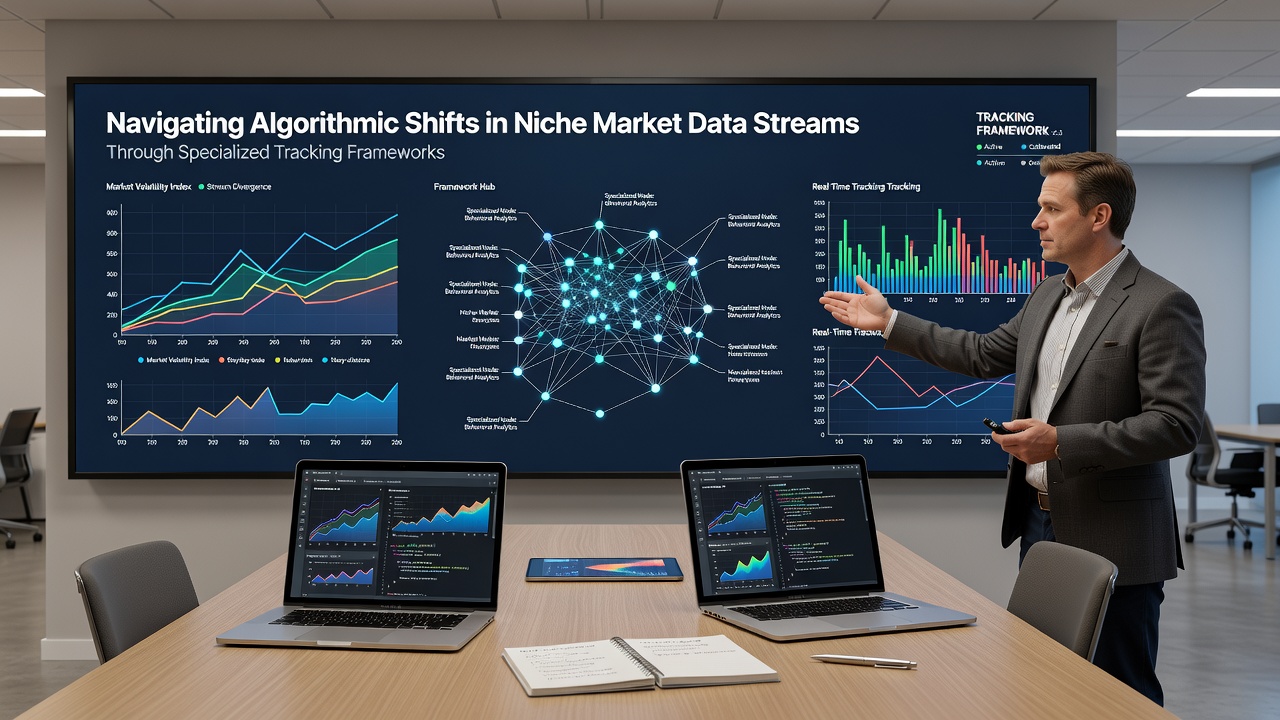
Planning cycles already incorporate expected algorithm refreshes scheduled for September 2026, when several platforms plan to introduce enhanced contextual understanding models. Specialized tracking frameworks allow teams to preconfigure test environments that simulate these forthcoming models using historical data patterns. Analysts who maintain version-controlled configurations can roll back changes quickly if new signals produce unexpected ranking movements. This preparatory approach relies on documented baselines rather than reactive troubleshooting once the updates deploy.
Integration with Broader Data Governance Practices
Tracking frameworks operate most effectively when aligned with existing data governance protocols that define retention periods, access controls, and audit trails. Governance alignment ensures that the detailed logs generated during algorithmic shifts remain usable for compliance reviews. Organizations that embed governance rules directly into their tracking pipelines avoid separate reconciliation steps later. Research indicates that such integration also supports cross-functional collaboration between technical teams and compliance officers who must review the same datasets from different perspectives.
Conclusion
Specialized tracking frameworks provide structured methods for responding to algorithmic shifts in niche market data streams. By combining modular collection, normalization, and alert capabilities with governance alignment, organizations maintain operational continuity across update cycles. Continued refinement of these frameworks positions teams to handle both current changes and those projected for September 2026 without extended periods of reduced visibility.