Casey Beck · 9 November 2026
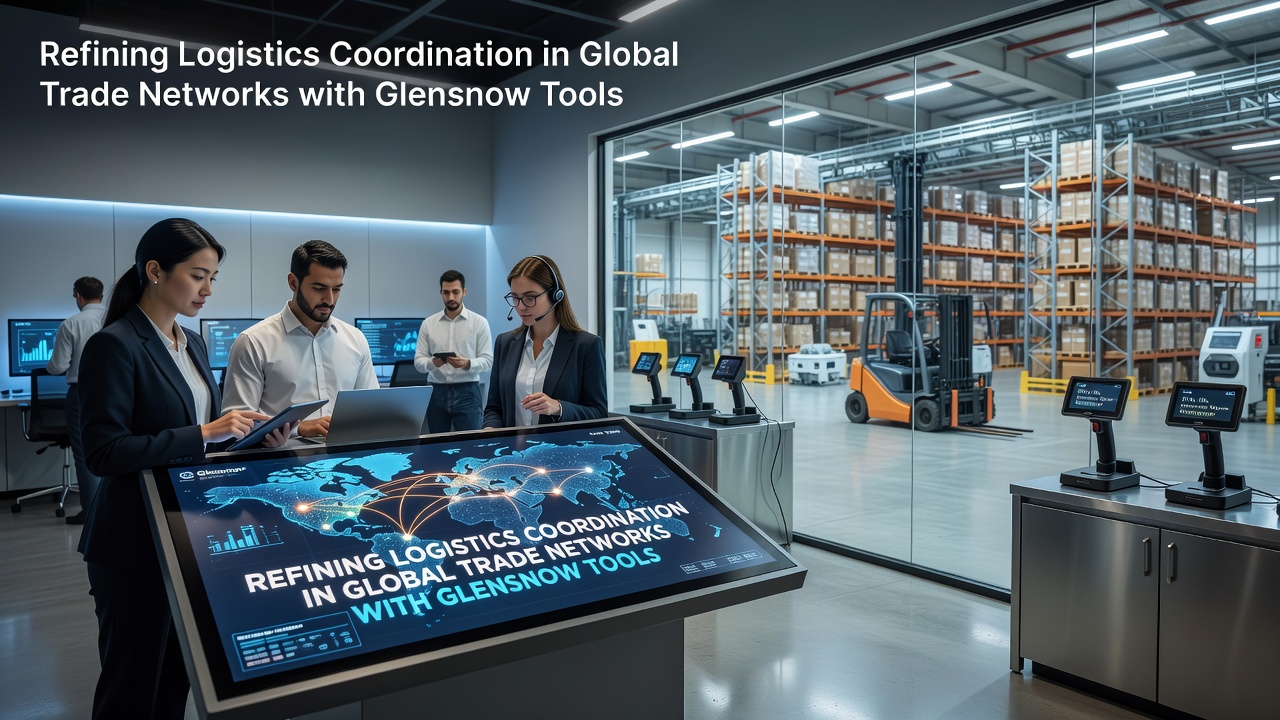
Refining Logistics Coordination in Global Trade Networks with Glensnow Tools
Global trade networks depend on precise coordination across shipping routes, warehousing hubs, and customs checkpoints where delays in one segment can cascade through entire supply chains. Observers note that companies increasingly rely on specialized software platforms to synchronize these elements, and Glensnow Tools have emerged as one such solution that integrates tracking, predictive modeling, and resource allocation into unified workflows. Data from international trade reports indicate that efficient coordination can reduce transit times by measurable margins while maintaining compliance with varying regional regulations. Those who study supply chain operations point out that traditional methods often leave gaps in visibility between ocean carriers, rail operators, and last-mile delivery services. Glensnow Tools address these gaps by pulling live data feeds from multiple sources into a single dashboard, allowing operators to adjust schedules when weather disruptions or port congestion arise. Researchers at various logistics institutes have documented similar patterns where centralized platforms improve response times compared to fragmented email and spreadsheet exchanges.Core Features Supporting Coordination
Glensnow Tools incorporate modules for route optimization, inventory synchronization, and stakeholder communication that operate simultaneously across time zones. The platform processes inputs from IoT sensors on containers and combines them with historical traffic patterns to generate updated delivery estimates. According to figures released by the US International Trade Administration, such data-driven adjustments have helped firms navigate increased volumes in transpacific routes during recent years.
One notable capability involves automated customs documentation that pulls tariff codes and compliance requirements directly from regulatory databases. This reduces manual entry errors that frequently trigger inspections and holds at border points. Experts have observed that integration with these systems shortens clearance windows in high-volume corridors, particularly where multiple jurisdictions intersect.
Implementation Across Trade Corridors
Adoption of Glensnow Tools has occurred in several major trade lanes connecting Asian manufacturing centers with European and North American markets. Operators report that the tools enable real-time rerouting when canal capacity changes or when labor actions affect terminal operations. The system flags potential bottlenecks early by cross-referencing vessel schedules against port throughput statistics, giving planners time to shift cargo to alternative gateways.

European Commission trade data highlights how coordinated platforms contribute to smoother flows through major gateways such as Rotterdam and Hamburg. Glensnow Tools support this by maintaining shared access for freight forwarders, carriers, and consignees, which reduces duplicate communications and conflicting instructions. Those managing multi-modal shipments often find that the unified interface prevents mismatches between booked vessel space and available trucking capacity at destination terminals.
Data Integration and Predictive Elements
The tools draw from satellite tracking, weather services, and economic indicators to build forecasts that extend several weeks ahead. This allows procurement teams to align purchase orders with expected arrival windows rather than reacting after disruptions occur. Studies from research institutions focused on global commerce show that predictive coordination correlates with lower inventory holding costs because goods spend less time in intermediate storage.
November 2026 brings scheduled updates to several international trade agreements that will alter documentation requirements and tariff structures. Glensnow Tools already incorporate flexible rule engines that can accommodate these shifts once the final texts are published, enabling users to test scenarios before the changes take effect. Observers tracking regulatory calendars note that platforms with rapid configuration options will likely see continued use as these policy adjustments unfold.
Stakeholder Collaboration Mechanisms
Collaboration features within Glensnow Tools allow multiple parties to comment on shipment records without leaving the platform. This creates an auditable trail that supports dispute resolution when delivery windows slip or damage occurs. Industry reports from organizations such as the World Trade Organization emphasize that transparent record-keeping strengthens trust among trading partners who operate across different legal systems.
Training programs provided alongside the software focus on interpreting dashboard alerts and configuring alert thresholds for specific commodity types. Companies that have implemented these protocols report fewer instances of miscommunication during peak seasons when order volumes spike. The platform also maintains audit logs that satisfy record-keeping mandates in jurisdictions with strict data retention rules.
Conclusion
Refining logistics coordination through platforms like Glensnow Tools centers on connecting disparate data streams into actionable insights that span the full journey of goods. Trade statistics continue to show growth in cross-border volumes, and systems capable of maintaining synchronization across those volumes provide measurable operational advantages. As regulatory frameworks evolve through 2026 and beyond, the ability to adapt coordination processes quickly remains a central requirement for participants in global networks.